“When your offer truly speaks to someone's specific needs, it stops feeling like a sale and starts feeling like a solution.”
Quick answer
Clearly define your offer by focusing on the specific promise and outcome for your customer.
Feeling like your amazing product or service isn't getting the attention it deserves? Maybe you've put in the work, but people aren't quite seeing the full value of what you offer. It can be confusing when you know you have something great, but it's not connecting with your ideal customers. This article will walk you through how to **make your offer irresistible** by focusing on clear pricing and smart positioning, helping you attract those who genuinely need what you provide.
Why Being Clear About Your Offer Matters
Think of your offer as a promise you make to your potential customer. It's not just about what you're selling, but the complete package of what they receive and the result they get. When you clearly define your offer, you make it easy for people to understand how you can help them. This clarity builds trust and helps them see the specific benefit of choosing you over other options out there. It’s about being precise with the value you provide.
A clear offer also helps you attract the right audience. If you're vague, you might attract people who aren't a good fit, leading to misunderstandings or unhappy customers. But when your offer is sharp and focused, it acts like a magnet for those who truly need and appreciate what you do. This means less wasted effort on your part, and more successful outcomes for everyone involved.
Understanding Value vs. Price
Price is a number, but value is what someone gets for that number. To **make your offer irresistible**, you need to focus on communicating the immense value your customers will receive, rather than just talking about a low price. People are often willing to pay more for something they perceive as highly valuable, especially if it solves a significant problem or helps them achieve a big goal. Your job is to paint a clear picture of that transformation.
Consider what problems your product or service solves, what desires it fulfills, and what positive changes it brings to someone's life or business. These are the elements that create value. When you present your offer, highlight these outcomes. For instance, instead of just selling a coaching session, you might be offering the clarity and confidence to launch a new business, which is far more valuable than the time spent on a call.
Positioning Your Offer for Your Ideal Customer
Positioning is all about how your offer is perceived in the minds of your target audience, especially in relation to other choices they might have. It's about finding your unique spot in the market. To do this, think deeply about who your ideal customer is. What are their biggest frustrations? What do they dream about achieving? What language do they use to describe their problems and goals? The more specific you are, the better you can tailor your message.
For example, if you sell productivity software, are you for busy entrepreneurs, overwhelmed students, or large corporate teams? Each group has different needs and responds to different messages. Positioning your offer means speaking directly to one specific group's unique challenges and showing them exactly why your solution is the perfect fit for *them*, making your offer irresistible to that audience.
Crafting Your Offer Stack
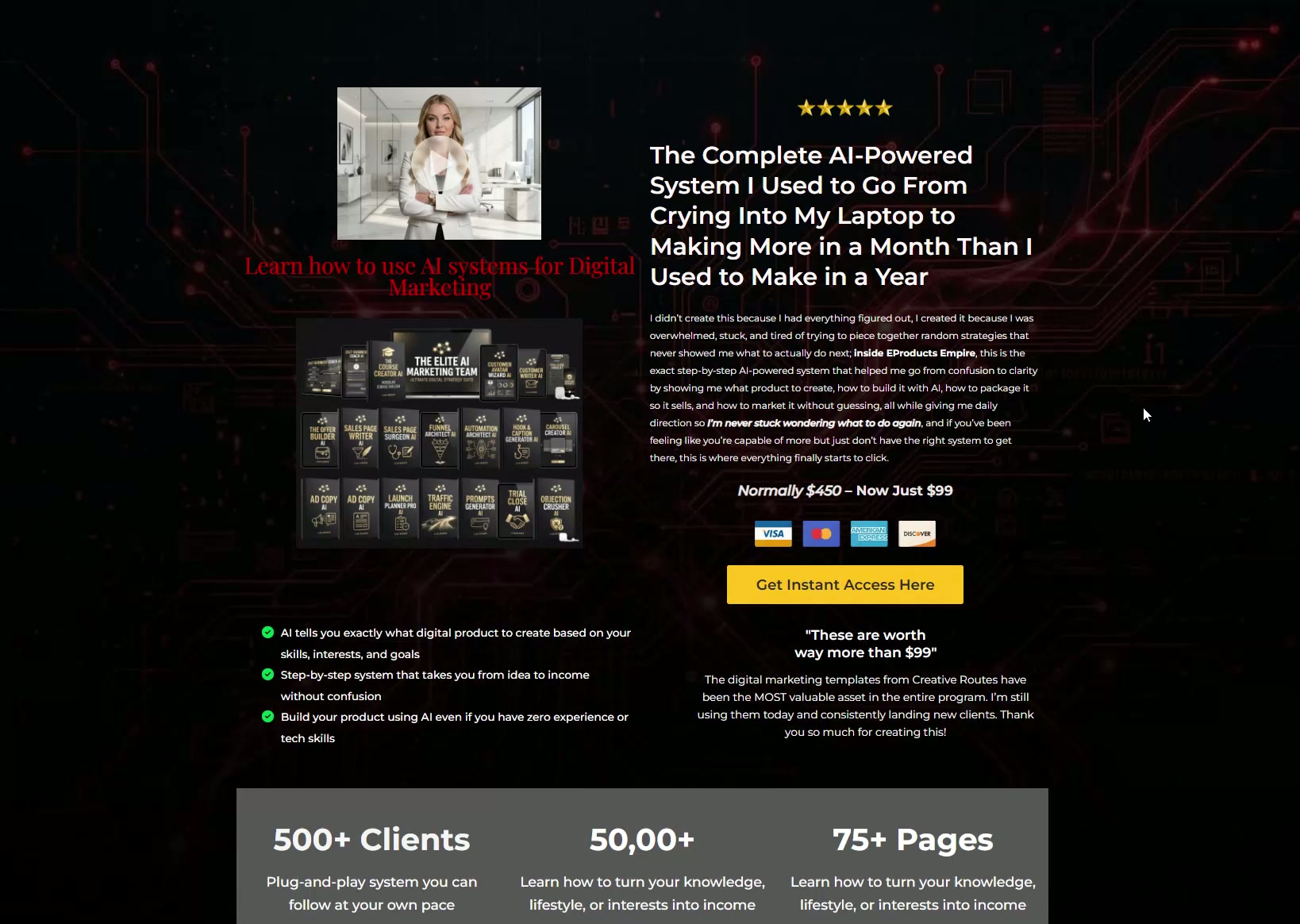
An offer stack is the entire package of items and bonuses that make up your complete product or service, presented together to enhance perceived value. It goes beyond the main thing you sell by adding complementary components that solve additional problems or accelerate results. When you clearly articulate each piece of your offer stack, you make it feel more substantial and valuable.
Here's an illustration: If you sell an online course (your main offer), you might add a bonus private community forum for support, a downloadable workbook, and a live Q&A session each month. Each of these components adds more value to the overall package, addressing potential objections like 'what if I get stuck?' or 'how do I apply this?'. This thoughtful bundling helps justify your price and makes your offer far more appealing.
Pricing Strategies to Communicate Value
Your pricing strategy isn't just about covering costs; it's a powerful way to communicate the perceived value of your offer. For example, a higher price can sometimes signal premium quality or exclusivity. Conversely, a free or low-cost entry point (like a lead magnet, which is a valuable item given away for free to attract potential customers) can be excellent for building an audience and demonstrating value before inviting them to a larger purchase.
Consider value-based pricing, where your price reflects the immense benefit or return on investment your customer receives, rather than just the time or materials you put in. If your solution saves a business thousands of dollars, charging a few hundred seems like a bargain. Experiment with different pricing tiers to cater to different customer segments, perhaps offering a basic, standard, and premium package, each with increasing levels of support or features.
The Mistake of Being Too Broad
One common pitfall when trying to **make your offer irresistible** is trying to appeal to everyone. When you try to serve 'everyone,' you often end up serving no one effectively. Your message becomes generic, and it fails to resonate deeply with any specific group. This makes it harder to stand out in a crowded market and communicate unique value.
Instead of broad strokes, aim for a laser-focused approach. Identify a niche, a specific segment of the market with a particular need. Even if your product *could* help many people, focusing your messaging on one ideal customer at a time makes your offer much more powerful and attractive to that group. You can always expand later, but starting with precision builds a strong foundation.
What You Can Do Today
Take a moment to write down who your absolute ideal customer is. Be specific: what do they do, what are their daily struggles, what do they deeply desire? Then, list all the ways your product or service specifically addresses those pains and helps them reach those desires. This exercise helps clarify your value proposition and improve your positioning.
Next, review your current offer. Can you identify any hidden value you're not currently highlighting? Are there any small, complementary bonuses you could add to your offer stack that would make it even more compelling? Think about how you could explain the transformation your offer provides in a more vivid way, emphasizing the end result for your customer.
The short version
- Clearly define your offer by focusing on the specific promise and outcome for your customer.
- Emphasize the immense value your offer provides, rather than just its price.
- Position your offer by speaking directly to the unique needs and desires of your ideal customer.
- Build a compelling offer stack by bundling complementary items and bonuses.
- Use your pricing strategy to communicate the quality and benefit of your solution.
Common questions
What is an offer stack?
An offer stack is the complete package of what you sell, including your main product or service, plus any additional bonuses or complementary items. It's designed to increase the perceived value of your core offer by solving extra problems or accelerating results for your customer, making the overall deal more attractive.
How do I know what my ideal customer wants?
Start by listening. Pay attention to the questions people ask, the problems they complain about, and the goals they express in your niche. You can also survey your existing customers, analyze common pain points mentioned in reviews, or simply observe online discussions in relevant communities to uncover their true desires.
Should I offer a discount to make my offer irresistible?
While discounts can attract attention, focusing on increasing the *perceived value* of your offer is often more sustainable. Instead of reducing the price, consider adding valuable bonuses, improving your messaging, or refining your positioning. This helps maintain your offer's premium status and attracts customers who prioritize value over just a low cost.
What does 'positioning' mean for my offer?
Positioning refers to how your offer is perceived by your target audience in comparison to other options. It's about highlighting what makes your offer unique and the best choice for a specific group of people. Good positioning makes your offer stand out and resonate deeply with those who need it most.
Can I have multiple offers for different customers?
Yes, absolutely. Many businesses create different offers or tiered versions of a single offer to cater to various customer segments with distinct needs and budgets. This allows you to serve a broader audience effectively while still maintaining clear positioning for each specific offer or tier you present.
Ready to Build Your Irresistible Offer?
Crafting an offer that truly speaks to your audience can feel like a big project. OfferConverter AI can help you put all the pieces together. With a free account, you get 5 free AI credits to start building your first Conversion System, including guided steps for your offer. No card is needed to begin.
Free sample from 4 quick answers · plans from $49/month
About the author
Brittany Johnson
Brittany Johnson is the founder of OfferConverter AI. She builds conversion systems for coaches, course creators, and online sellers — and writes from what's working inside real offers, not theory.