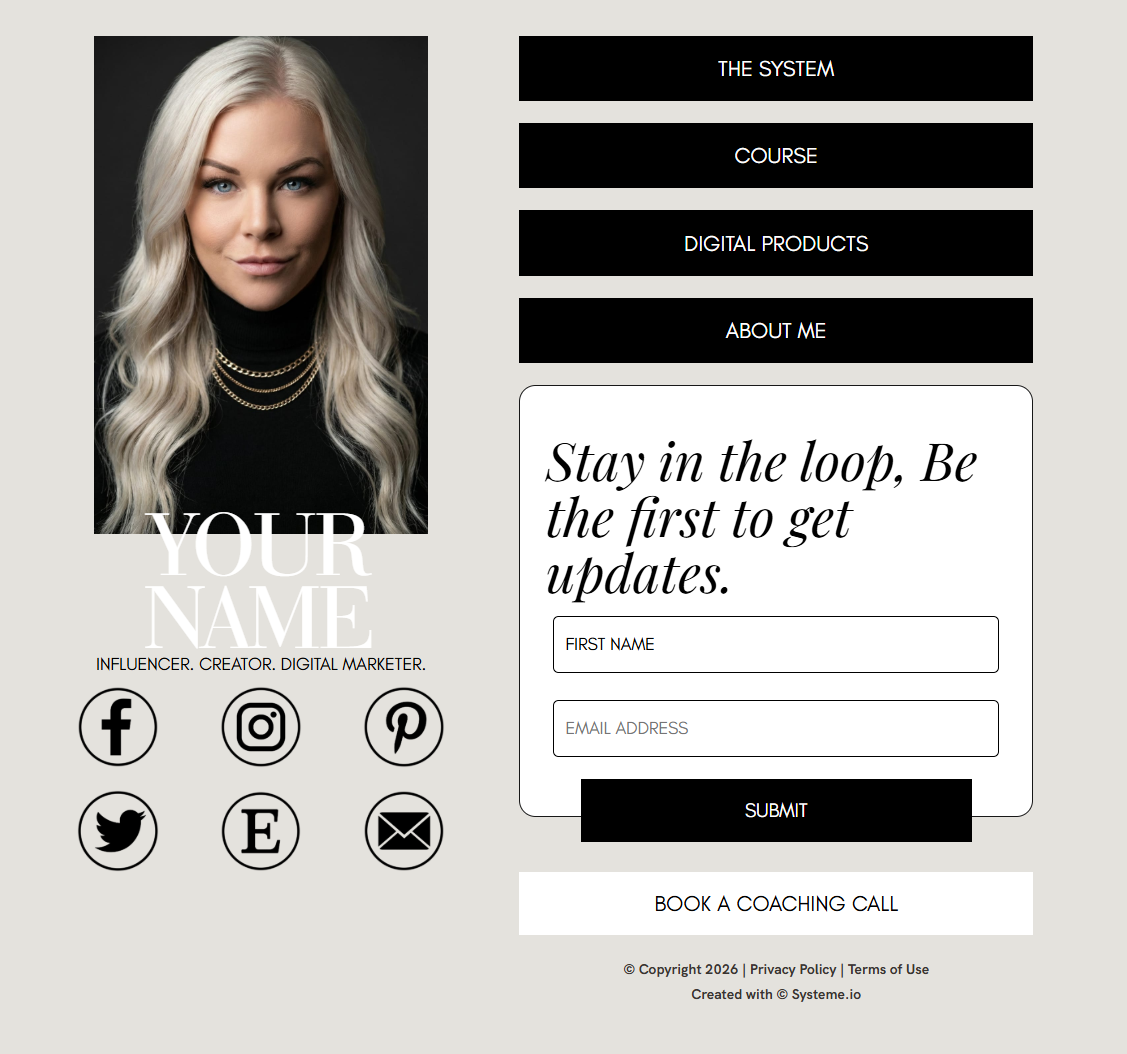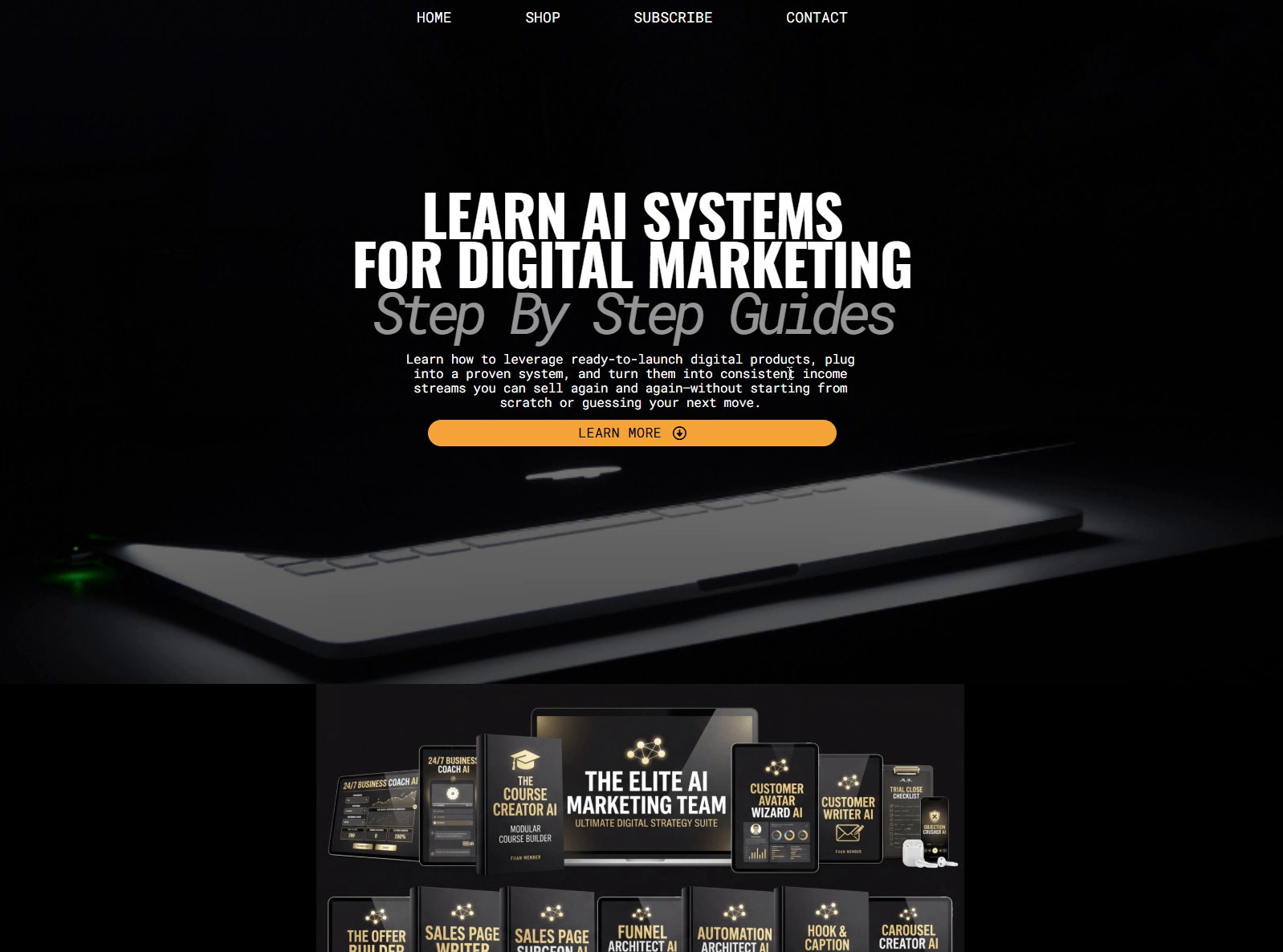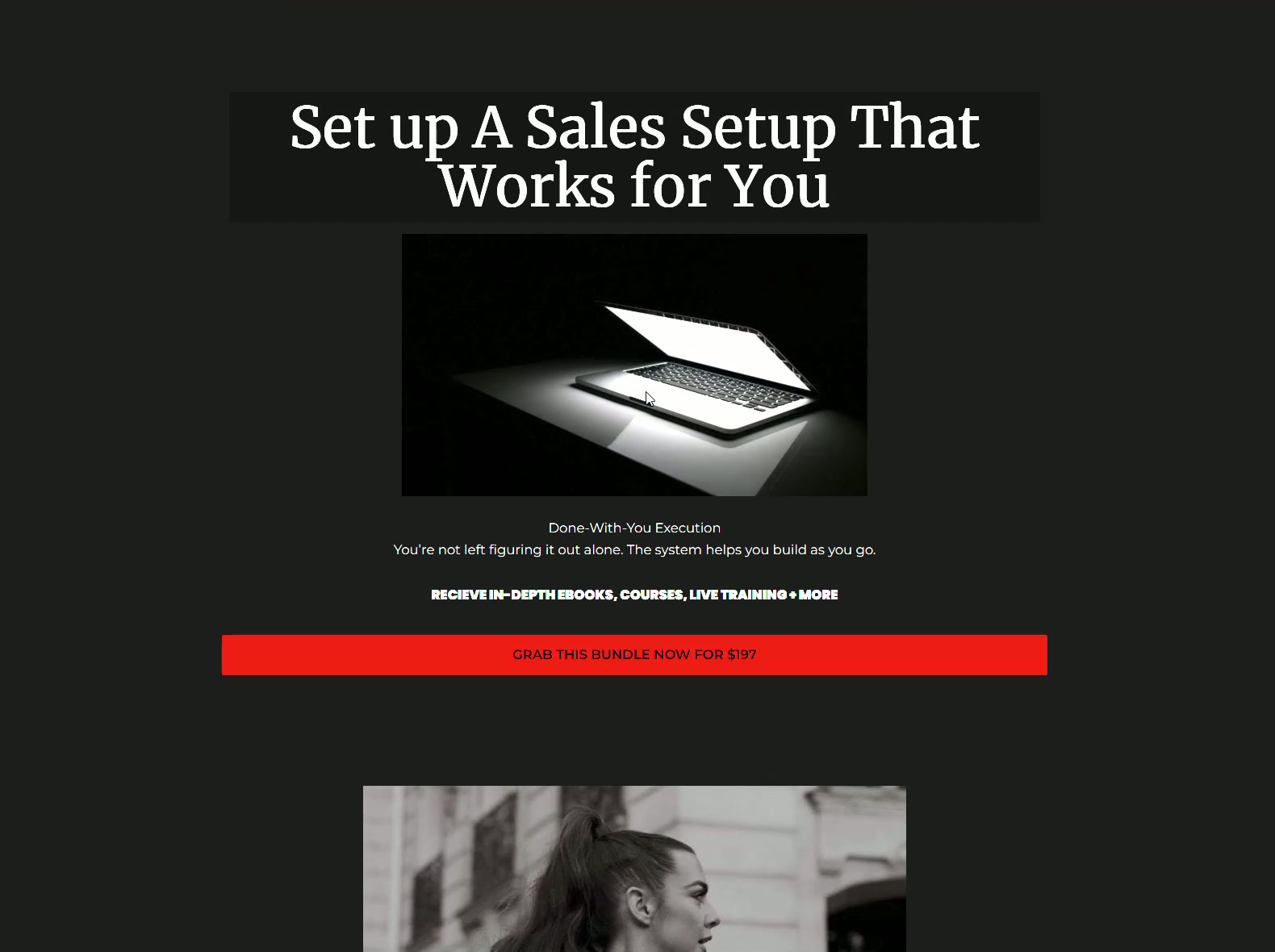
“An application funnel helps you connect with the right clients who are ready for a deeper commitment.”
When you're looking to bring on new clients for high-value services, courses, or coaching, you might wonder, "What is an application funnel and why do I need one?" An application funnel is a structured series of steps designed to pre-qualify potential clients before they ever speak with you or purchase a premium offer. It's a way to ensure you're spending your valuable time with people who are truly a good fit for what you provide, leading to more meaningful and successful partnerships. This approach helps both you and your potential client determine if your offer is the right solution for their specific needs.
The Purpose of What Is An Application Funnel
At its core, an application funnel serves as a filter. Instead of selling to everyone, it helps you identify and engage with individuals who are most likely to benefit from your highest-value offers. This is particularly useful for services that require a significant investment of time or money, such as high-ticket coaching programs, specialized consulting, or complex digital products. It ensures that both parties are aligned on expectations and goals.
By asking potential clients to complete an application, you gain valuable insights into their challenges, aspirations, and readiness for change. This information helps you decide if they are a good match for your program, and it also helps them think deeply about their own situation. It's a mutual discovery process that saves time and improves the quality of your client relationships.
How an Application Funnel Differs from Other Funnels
It's helpful to distinguish an application funnel from other common funnel types. For instance, a traditional sales funnel might focus on mass appeal and volume sales, often with lower-priced items. A lead magnet funnel aims to capture email addresses by offering free content. An application funnel, however, introduces a deliberate barrier: the application itself.
This barrier is not meant to exclude people unnecessarily, but to ensure that those who proceed are genuinely interested and meet specific criteria. This pre-qualification step is key. It contrasts with, for example, a challenge funnel, which aims to build engagement and community around a specific short-term goal before an offer is made. You can learn more about how OfferConverter AI helps build various funnels, including a robust application funnel, by visiting our OfferConverter AI application funnel definition page.
Key Stages of What Is An Application Funnel
Typically, an application funnel begins with awareness. This might be through content marketing, advertisements, or referrals that introduce potential clients to your offer. The goal here is to attract individuals who are already experiencing a specific problem that your high-value solution can address. They become aware that a potential solution exists.
Next, these interested individuals are directed to a page that explains your high-value offer and its benefits. This page doesn't just sell; it also positions the application as the next logical step for those serious about making a change. The application itself gathers important details, helping you understand their needs and their commitment level. This is where the filtering truly begins.
The Application Form: Your Insight Tool
The application form is the core of this funnel. It should be thoughtful, asking questions that reveal a prospect's readiness, their specific challenges, and their financial capacity for your offer. Common questions might include their current situation, their desired outcomes, what they've tried before, and why they believe your offer is the right fit now. It’s also wise to include questions about their budget or investment expectations.
Remember, the application isn't just for you; it's also a commitment device for the prospect. By taking the time to fill it out, they are investing their own effort, which increases their psychological buy-in. A well-designed application form helps both parties understand if there's a strong potential for a successful partnership.
Post-Application: Review and Next Steps
Once an application is submitted, you review it to determine if the individual is a good fit. If they are, the next step often involves scheduling a discovery call or a strategy session. This call is not a sales pitch right away; it’s a conversation to dive deeper into their application, clarify any points, and mutually assess if your offer is truly the best solution for them.
If they are not a good fit, it's important to communicate this respectfully. You might offer alternative, lower-cost resources or refer them to someone else who might be a better match. This maintains a positive relationship and enhances your reputation, even with those who don't become clients immediately. This also saves you time by avoiding calls with unqualified prospects.
Common Mistakes When Building an Application Funnel
A frequent error is making the application form too long or too intrusive, which can discourage potential clients from completing it. Strive for a balance: enough questions to qualify, but not so many that it feels like an interrogation. Another mistake is not clearly communicating the value of the application process itself. Prospects need to understand why they are being asked to apply and what benefit they will gain from doing so.
Additionally, some business owners fail to follow up consistently after an application is submitted. Whether it's to schedule a call or to politely decline, clear and timely communication is essential. An application funnel is a high-touch process, and neglecting follow-up can lead to missed opportunities and a negative impression. OfferConverter AI can help automate these follow-up sequences, ensuring no lead is left behind, as detailed on our challenge funnel definition page, which also applies to application funnel follow-up strategies.
Using an Application Funnel for Your Business
Implementing an application funnel can transform how you attract and onboard high-value clients. It allows you to be more selective, work with clients you enjoy, and deliver better results because everyone is pre-committed. By taking the time to design a thoughtful application process, you invest in the quality of your client relationships and the success of your business.
For businesses offering premium services, understanding what is an application funnel and how to implement it effectively is a game-changer. It shifts the dynamic from chasing clients to attracting ideal partners who are ready to engage deeply with your offerings. This strategic approach leads to more fulfilling work and more impactful client outcomes.
How OfferConverter AI Supports Your Application Funnel
OfferConverter AI helps you build and optimize the entire application funnel process. From crafting compelling sales copy that leads to the application, to designing the funnel pages that collect information, and even generating email sequences for follow-up and interview scheduling, our platform streamlines each step. You start with an Offer Profiler to define your offer, then receive a Conversion Readiness Report.
Once your Blueprint, or 'Conversion DNA,' is approved, OfferConverter AI generates all the necessary components: your funnel pages, sales copy for the application page, email campaigns for nurturing and follow-up, and automated sequences. This integrated approach ensures every part of your application funnel works together seamlessly to attract and qualify your ideal high-value clients efficiently.
The short version
- An application funnel pre-qualifies potential clients for high-value offers.
- It filters for committed individuals, saving you time and improving client quality.
- The application form is a key tool for gathering insights and encouraging commitment.
- Clear communication and consistent follow-up are essential after application submission.
- OfferConverter AI helps generate the necessary content and pages for an effective application funnel.
Common questions
What kind of businesses benefit most from an application funnel?
Businesses offering high-ticket coaching, consulting services, premium online courses, or specialized B2B solutions often benefit the most. Any business with a high-value offer that requires significant client commitment or investment finds it useful to pre-qualify prospects.
How long should an application form be?
An ideal application form is typically concise enough to not overwhelm, but comprehensive enough to gather necessary qualifying information. This often means 5-10 thoughtful questions that assess a prospect's needs, readiness, and alignment with your offer.
What should happen after someone submits an application?
After submission, you should review the application. If the prospect is a good fit, the next step is usually to schedule a discovery call or a strategy session. If not, a polite and clear communication explaining why they are not a match is recommended.
Can an application funnel be fully automated?
While aspects like form submission, initial acknowledgments, and follow-up scheduling can be automated, the review of applications and the subsequent discovery calls typically require human interaction. Automation helps manage the flow, but personal touch is crucial for high-ticket offers.
What's the main difference between an application funnel and a traditional sales funnel?
The main difference is the qualification step. A traditional sales funnel focuses on guiding many prospects to a purchase, often for lower-priced items. An application funnel introduces an intentional barrier (the application) to pre-qualify and select only the most suitable clients for high-value offers.
Ready to Build Your High-Converting Application Funnel?
Discover how OfferConverter AI can automatically generate your entire application funnel system. Get started with a Free Starter Pass, including 5 free AI credits and one Conversion System, no card required.
Free Starter Pass · 5 free AI credits · no card needed to start
About the author
Brittany Johnson
Brittany Johnson is the founder of OfferConverter AI. She builds conversion systems for coaches, course creators, and online sellers — and writes from what's working inside real offers, not theory.