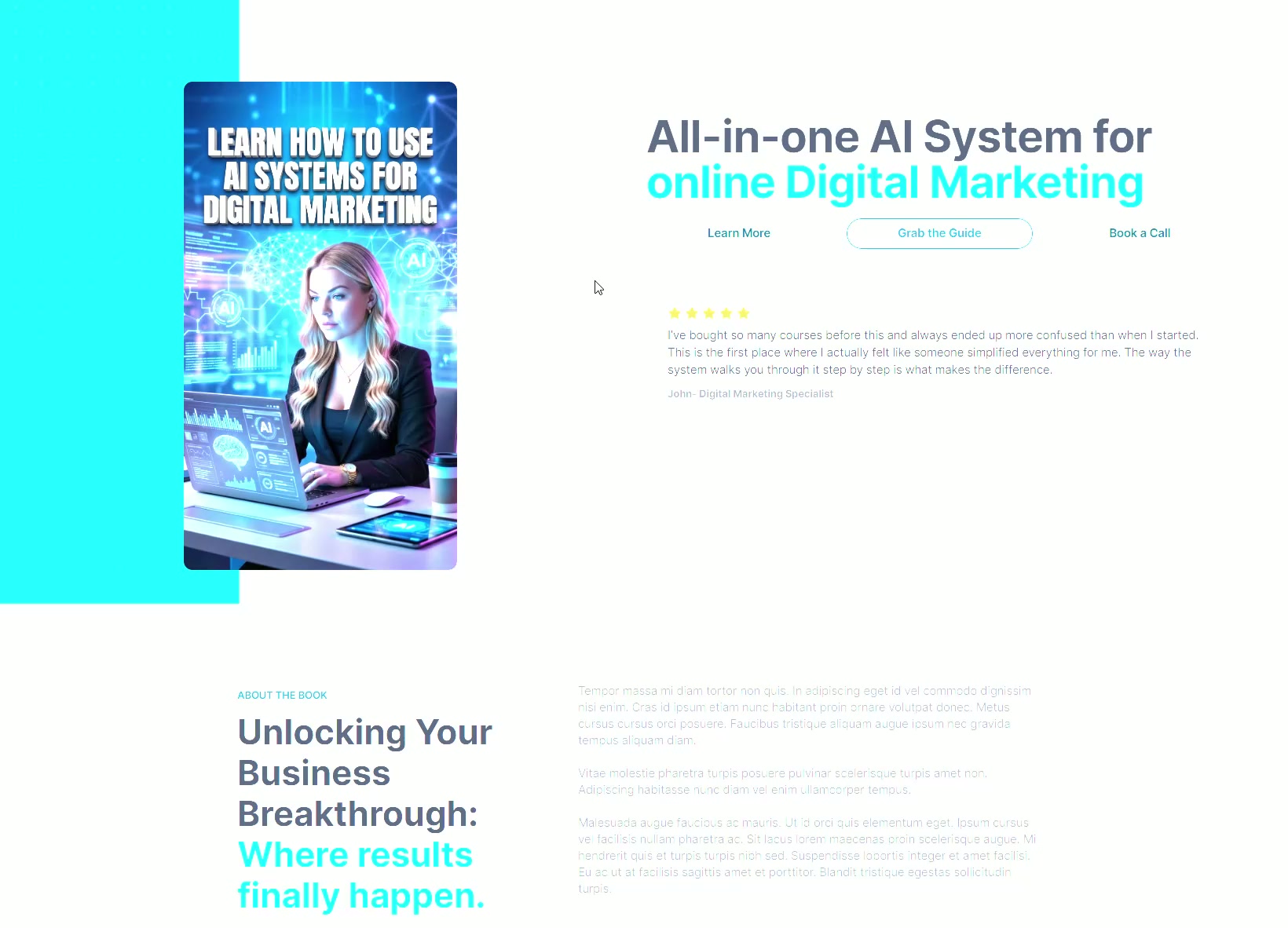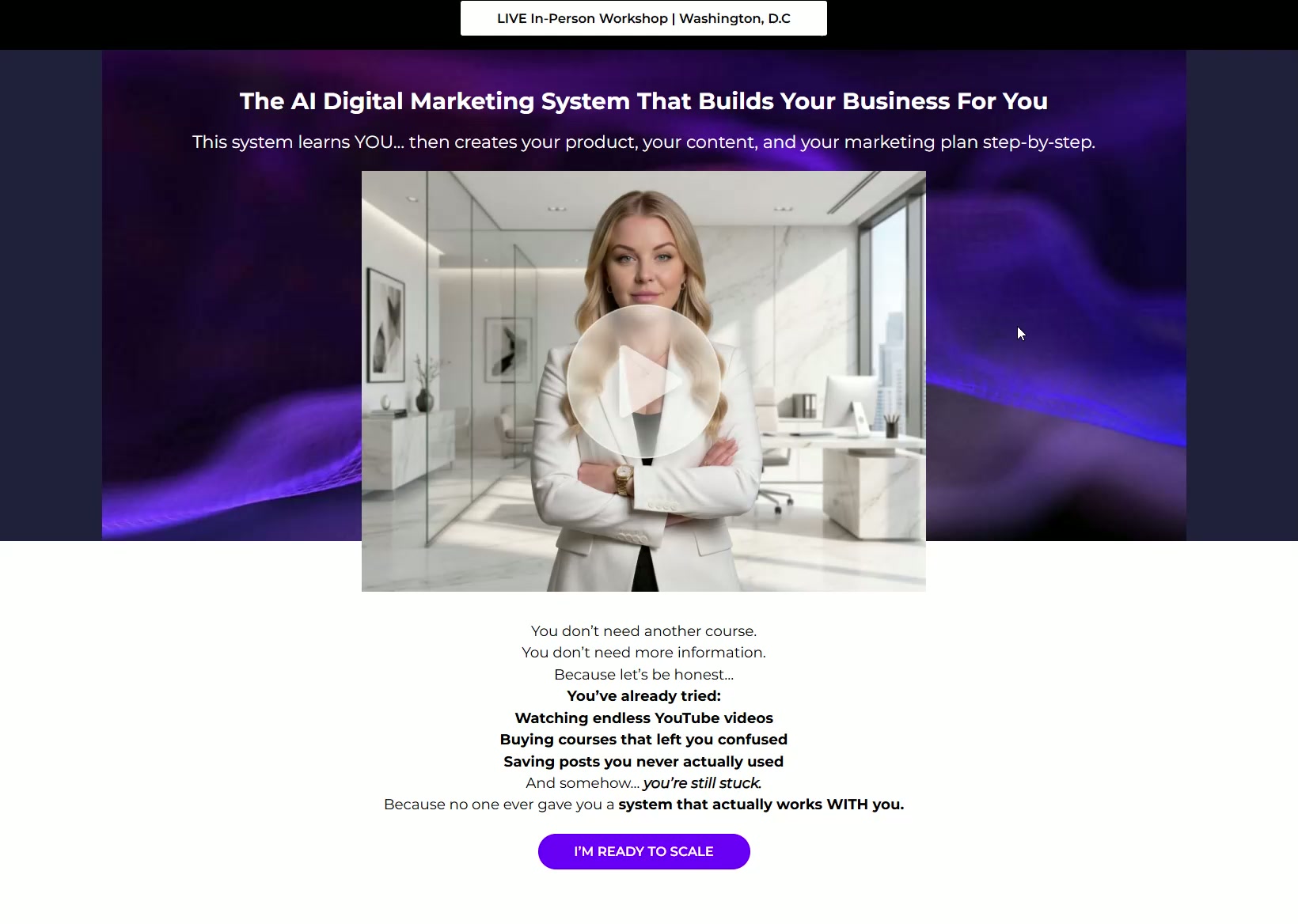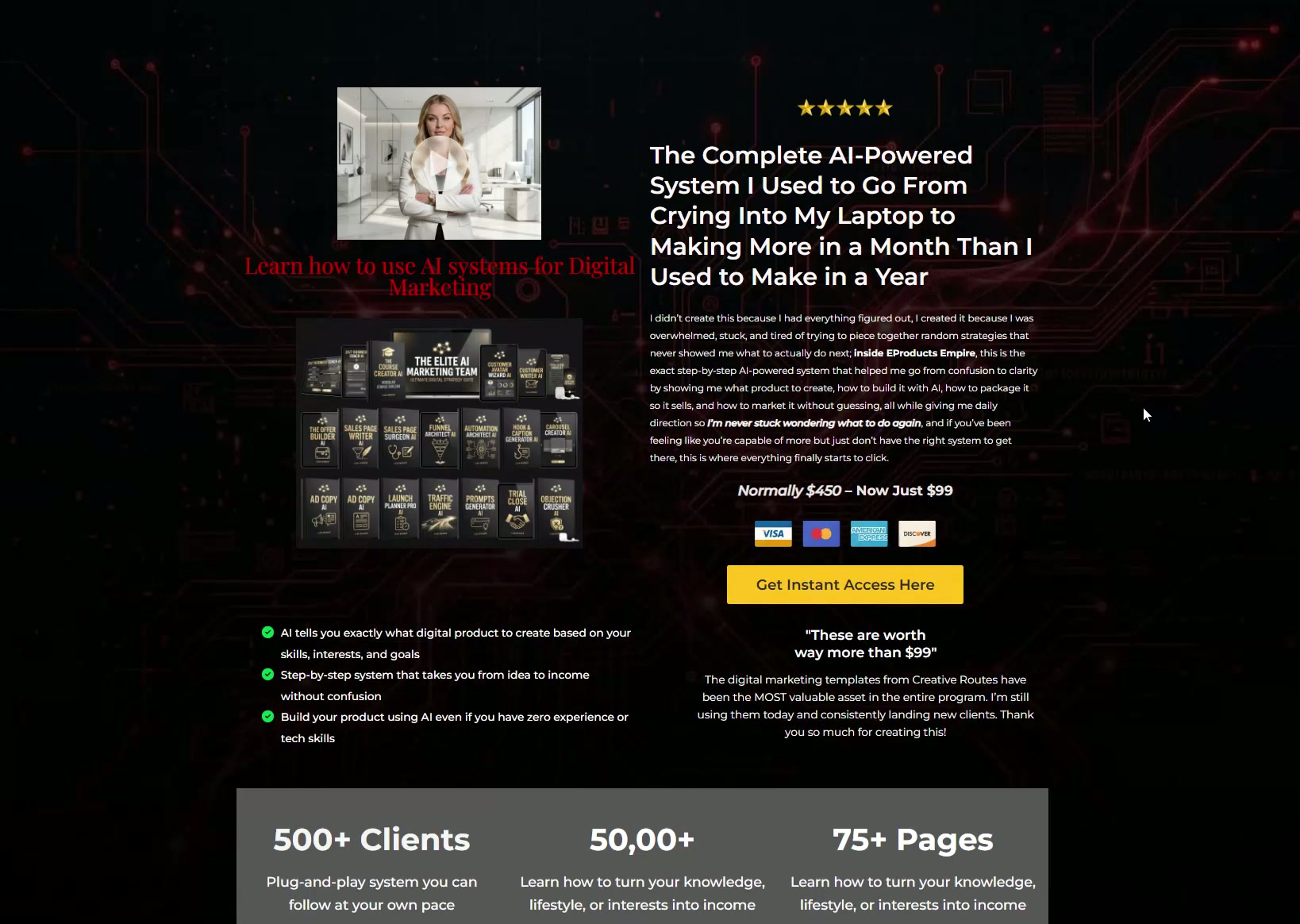
“A well-designed funnel guides your audience with clarity and purpose.”
Have you ever felt lost trying to find something online, clicking around without a clear path? Your potential customers can feel the same way if your marketing funnel isn't well-thought-out. A marketing funnel is simply the journey a potential customer takes from first hearing about you to becoming a buyer. It's not just a series of pages or emails; it's a guided experience. Today, we'll talk about making that journey feel natural and inviting, so your audience always knows where they are and what to do next.
The First Step of Their Journey
Think about the very first interaction someone has with your business. This could be an advertisement they see, a social media post, or an article they read. This initial touchpoint is like the entrance to your funnel. Its main job is to catch their attention and make them curious enough to want to learn more, leading them to the next step. It's not about selling right away, but about sparking interest.
Your goal here is to offer something valuable in exchange for their attention, often called a lead magnet. A lead magnet is something free you give away, like a guide, checklist, or short video, that solves a small problem for your ideal customer. This helps you gather contact information, typically an email address, so you can continue the conversation.
Guiding Them Through Learning
Once you have their attention, the next part of your funnel is about educating them and building trust. This often involves a nurture sequence, which is a series of automated emails designed to share helpful information, answer common questions, and show how your solution can help them. These emails aren't pushy sales pitches; they're friendly conversations.
A common way to deepen this connection is through a webinar. A webinar is an online seminar where you teach valuable concepts related to your offer. During a webinar, you can share your expertise, demonstrate your solution, and address potential concerns your audience might have. It’s a great way to show your value before asking for a sale.
Making the Path to Purchase Clear
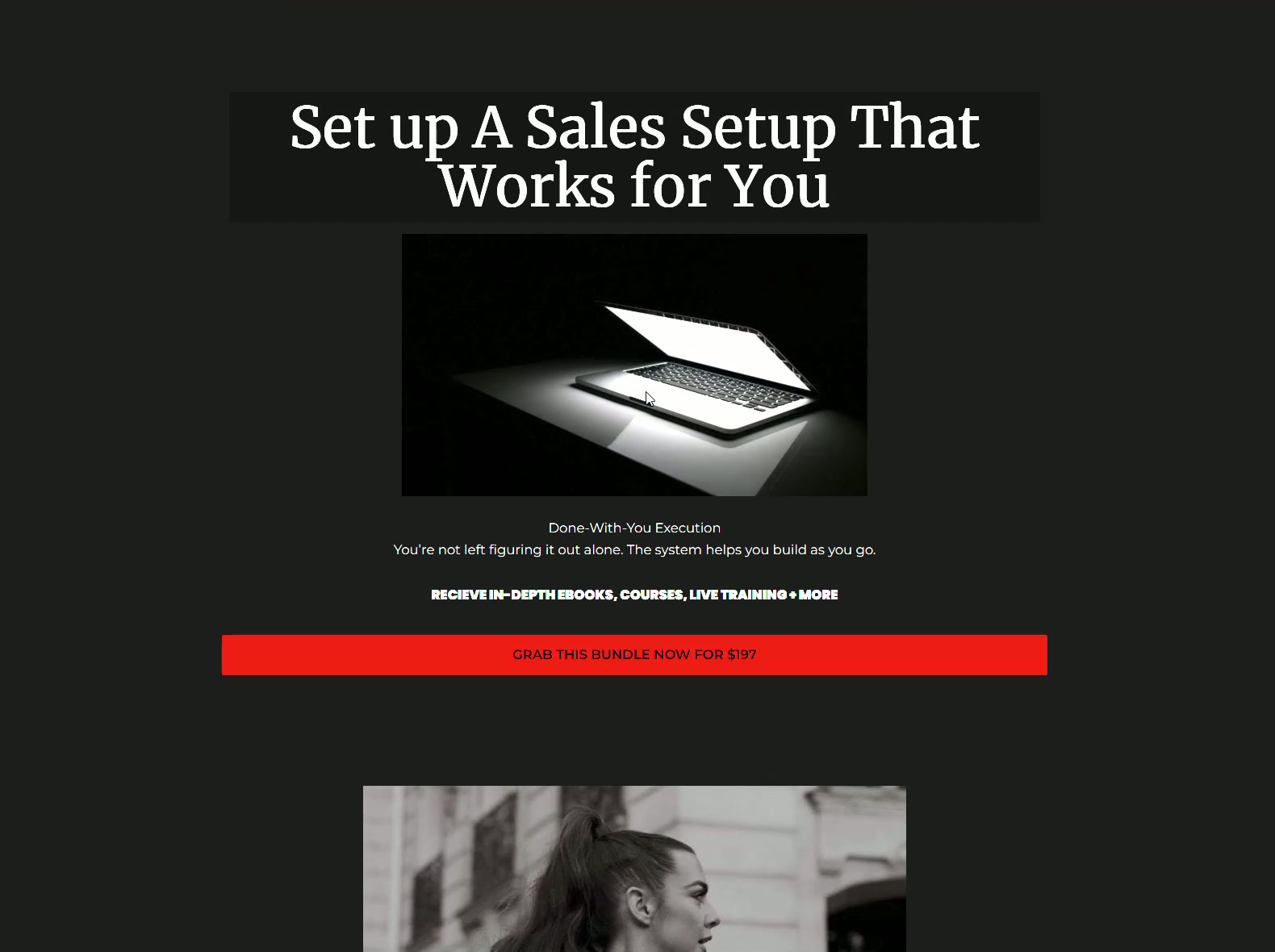
When your audience is ready to consider buying, your funnel needs to make the purchasing process smooth and simple. This means having clear, easy-to-understand sales copy on your offer pages. Sales copy is the written text designed to persuade someone to make a purchase. It should explain exactly what your offer is, how it helps them, and what they get.
Your offer stack is also important here. An offer stack is the main product or service you sell, plus any bonuses that add extra value. Each part of your offer stack should be clearly presented, showing its benefit and value. The easier it is for someone to understand what they're getting and why it's worth it, the more likely they are to buy.
Your Funnel is a Connected Story
Think of your entire funnel as a story, with each step being a new chapter. From the very first ad to the final purchase page, there should be a consistent message and a logical flow. If your audience feels like they're jumping from one unrelated piece of information to another, they'll likely get confused and leave. Keep the story coherent and focused on solving their problem.
Every element in your funnel, from the graphics to the wording, should feel connected. This consistent experience builds confidence and makes your brand feel trustworthy. When your funnel tells a clear story, your potential customers feel guided, not sold to, and that makes a big difference in how they respond.
Keeping the Conversation Going
Even after a purchase, your funnel doesn't necessarily end. Post-purchase follow-up helps ensure customer satisfaction and can encourage repeat business. This might include welcome emails, tutorials on using your product, or invitations to join a community. It's about building a long-term relationship.
A well-designed funnel also considers what happens if someone doesn't buy right away. You might have a follow-up automation, a series of automated messages, that gently reminds them about your offer without being pushy. This can often bring back people who were interested but just needed a little more time or information.
The short version
- Design your funnel as a clear, step-by-step journey for your customer.
- Use lead magnets to capture interest and begin the conversation.
- Nurture your audience with valuable content before making a sales pitch.
- Ensure your sales pages clearly explain your offer and its benefits.
- Maintain a consistent message and branding throughout your entire funnel.
Build Your Connected Funnel Story Today
Crafting a funnel that truly guides your customers can feel like a big project. OfferConverter AI helps you create a clear, step-by-step system. With a Free Starter Pass, you get 10 AI credits to generate a complete Conversion System for your business, no card required. See how your offer can flow seamlessly through your funnel.
Free Starter Pass · 5 free AI credits · no card needed to start
About the author
Brittany Johnson
Brittany Johnson is the founder of OfferConverter AI. She builds conversion systems for coaches, course creators, and online sellers — and writes from what's working inside real offers, not theory.