“A clear path makes it easy for people to say yes to your offer.”
Imagine trying to navigate a new city without a map, or even worse, with ten maps pointing in different directions. That's often what it feels like for someone entering a complicated sales funnel. When you're trying to guide someone toward your offer, clarity is your best friend. A well-designed funnel helps potential customers understand exactly what you're offering and how it can help them, step by simple step. It's about leading them gently, not overwhelming them.
One Destination, One Path
Think of your entire marketing funnel, which is the journey a potential customer takes from first hearing about you to purchasing your product or service, as having one primary goal. Every single piece of content, every page, every email should gently nudge them towards that single goal. If your goal is for them to sign up for a webinar, don't also try to sell them a mini-course on the same page. Keep it simple and focused.
When someone arrives at one of your funnel pages, like a registration page for a free training, there should be no doubt about what action they should take next. Remove any extra links, distracting images, or conflicting messages. The fewer choices they have to make, the easier it is for them to take the intended next step. This focus reduces confusion and helps them move forward confidently.
The Power of a Single Call to Action
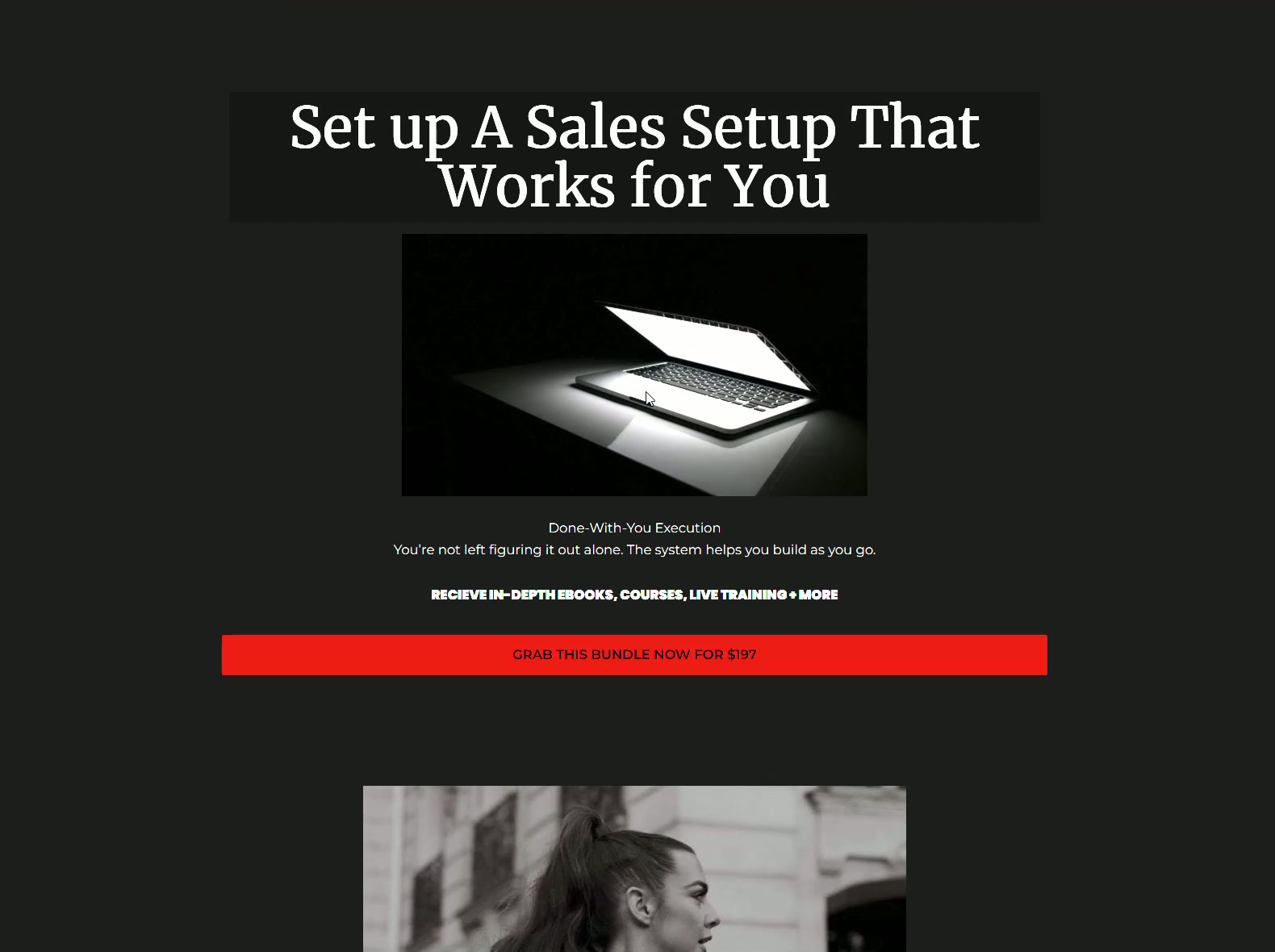
A 'call to action' is simply what you want someone to do next, like 'Click here to register' or 'Download your guide now'. In any part of your funnel, focus on just one main call to action. If you're inviting someone to a webinar, the main call to action should be to register for that webinar. Don't ask them to also follow you on social media, read your blog, and sign up for your newsletter all at once.
When you present too many options, it can actually cause people to do nothing at all. This is sometimes called 'analysis paralysis.' By keeping your call to action singular and prominent, you make the decision easy for them. It’s like asking a friend if they want coffee or tea, instead of listing every drink on the menu.
Your Offer as the North Star
Every step in your funnel should ultimately point towards your main offer. Your offer is what you're selling, whether it's a product, service, or a complete package of solutions. For example, if your ultimate offer is a coaching program, a free guide you give away as a lead magnet, which is a free item or service given away to gather contact information, should logically lead them to see the value in that coaching program.
Think of it like a trail of breadcrumbs. Each piece of information, each interaction, should build their understanding and desire for what you eventually want to sell. It's not about being pushy, but about consistently showing them how your solution can help them solve a specific problem they have. This clear connection makes your offer feel like the natural next step.
Answering One Big Question
At every stage of your funnel, consider what one big question your potential customer is asking themselves at that moment. For example, on a webinar registration page, they might be asking, 'What will I learn here?' or 'Is this worth my time?' Your page content should clearly answer that question, and only that question, without introducing new ones.
Once you've answered that question, you can then move them to the next stage where they might have a new question. This systematic approach ensures you're addressing their concerns and building their understanding incrementally. It's about having a conversation that anticipates their thoughts and guides them smoothly.
Illustrating with Your Lead Magnet
Let's say your main offer is an online course on creative writing. A good lead magnet, like a free downloadable guide, might be '5 Ways to Beat Writer's Block.' This guide directly addresses a problem that someone interested in creative writing would have. It's a small win that shows them you understand their struggles and can provide value.
Crucially, this lead magnet doesn't try to sell them the full course directly. It simply offers a taste of your expertise and builds trust. After they've consumed the guide, a follow-up email, part of an email nurture sequence which is a series of automated emails designed to build a relationship and guide someone towards a specific action, could then introduce the idea of a more comprehensive solution, like your full course.
The short version
- Design each step of your funnel with a single, clear purpose.
- Use only one primary call to action on each page or in each email.
- Ensure every funnel step logically leads towards your main offer.
- Anticipate and answer one key question for your audience at each stage.
- Use lead magnets to deliver a 'small win' that relates to your core offer.
Ready to build a clear funnel?
If you're looking for an easier way to build a clear, focused funnel that guides your audience, OfferConverter AI can help. Our Free Starter Pass includes 10 AI credits and one complete Conversion System to generate your webinar, funnel pages, and more, with no card required.
Free Starter Pass · 5 free AI credits · no card needed to start
About the author
Brittany Johnson
Brittany Johnson is the founder of OfferConverter AI. She builds conversion systems for coaches, course creators, and online sellers — and writes from what's working inside real offers, not theory.