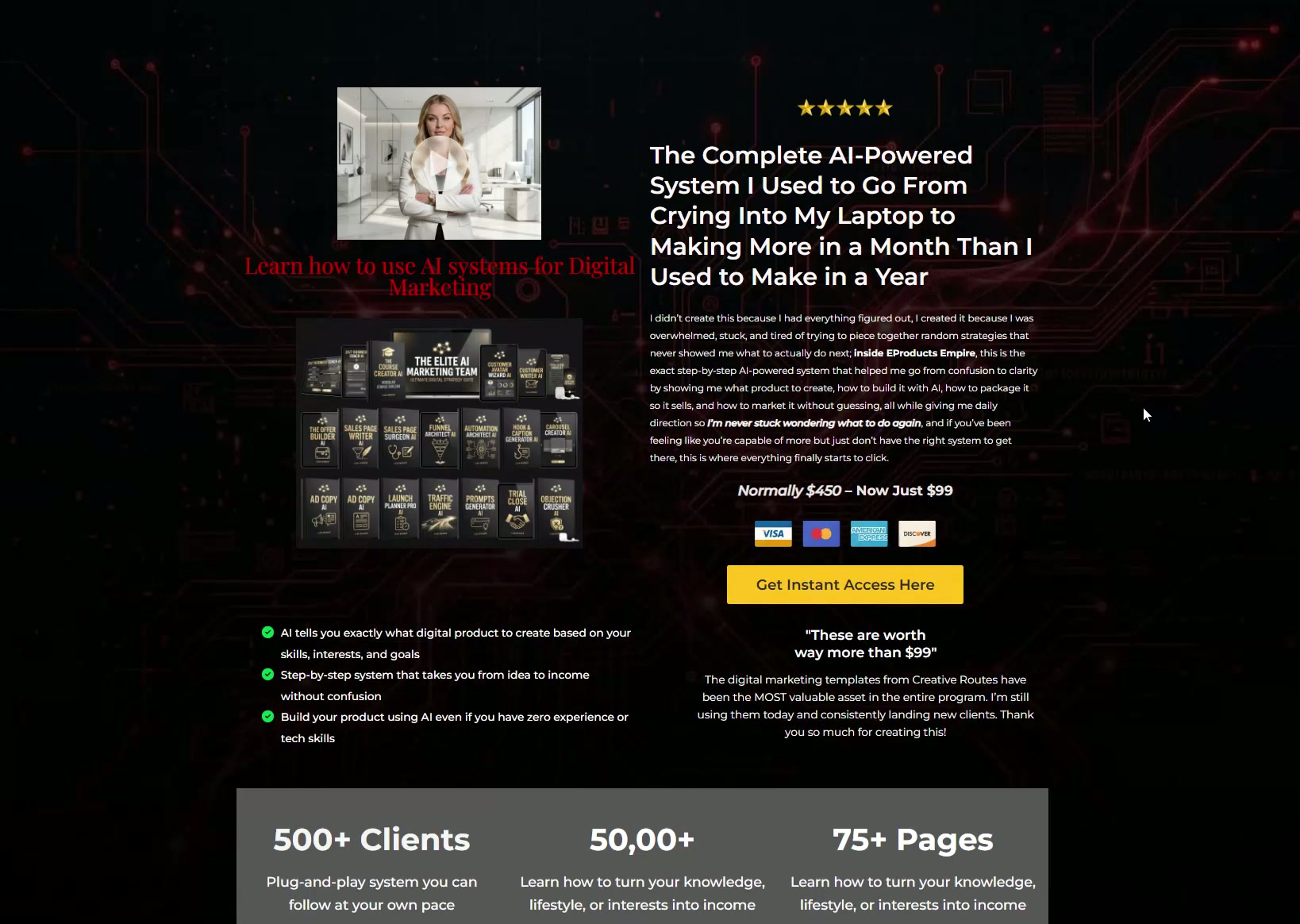
“A tripwire offer makes it easy for new customers to take a first step with your business.”
Understanding what is a tripwire offer can significantly change how new customers discover and engage with your business. Imagine a small, irresistible offer that allows someone to experience your value without a large commitment. This article will explain exactly what a tripwire offer is, why businesses use them, and how they benefit both you and your potential customers.
Understanding What Is a Tripwire Offer
At its core, a tripwire offer is a low-cost, high-value product or service designed to convert a prospect into a paying customer. It's not meant to be a major profit generator on its own. Instead, its main goal is to introduce new customers to your brand with a minimal financial commitment from their side. Think of it as a first date for your business relationship.
This offer is typically priced so low that it feels like an easy decision for someone who has just met your brand. The value they receive far outweighs the small price they pay. This initial transaction helps build trust and allows the customer to experience the quality of what you provide. It changes their status from a 'lead' to a 'customer', which is a significant step in their journey with you.
Why Businesses Use Tripwire Offers
The primary reason businesses use a tripwire offer is to acquire new customers. Many people are hesitant to spend a lot of money on a new brand they don't know well. A tripwire removes this barrier, making it simple for them to take that first step. Once someone has made a purchase, even a small one, they are much more likely to buy from you again.
Another benefit is separating serious buyers from casual browsers. Those who purchase a tripwire have demonstrated an active interest in solving a problem or achieving a goal, and they are willing to invest a small amount to do so. This helps you focus your follow-up efforts on people who are more likely to become long-term customers, rather than just collecting email addresses that might never convert.
The Journey from Prospect to Customer with a Tripwire
A typical customer journey involving a tripwire begins when someone finds your free content, like a blog post or a free guide. They might opt-in to your email list to receive more free value. After engaging with your free content for a while, you would then present them with your tripwire offer.
This small, compelling offer serves as the bridge. It moves them from being someone who consumes your free content to someone who has invested a small amount of money with you. This first purchase is a crucial psychological shift. It makes them more open to considering your higher-priced, core offerings later on, as they've already had a positive buying experience.
Characteristics of an Effective Tripwire Offer
An effective tripwire offer must be instantly consumable or accessible. This means the customer can get value from it right away, reinforcing their decision to buy. It should also solve a specific, small problem for your target audience, showing them that you understand their needs and can provide solutions.
The perceived value should be much higher than its actual price. For example, a $7 ebook could contain information that saves them hours of research or helps them avoid a common mistake. This high value-to-cost ratio makes the offer feel like an obvious choice. Ensure the tripwire naturally leads to your main product or service, without being a standalone, unrelated item.
Placing Your Tripwire Within a Funnel
In marketing, a tripwire offer is typically placed early in your sales funnel. Often, it's presented immediately after someone opts in for a free lead magnet, like a free report or a short training video. This is sometimes called an 'upsell' on the thank-you page of a free offer. The logic here is that if they just said 'yes' to your free content, they are primed to say 'yes' to a small, paid offer.
The tripwire then acts as a stepping stone to your core offer. After a customer buys the tripwire, they are often presented with your main product or service, possibly at a special, limited-time price. This strategic placement ensures that your tripwire is a useful component of a larger sales strategy, guiding customers toward higher-value purchases.
A Common Misstep with Tripwire Offers
A frequent mistake businesses make is creating a tripwire offer that doesn't naturally connect to their main product or service. If your tripwire is an unrelated item, it might attract buyers who aren't interested in what you truly sell. For instance, if you sell high-end coaching, a tripwire for a generic stock photo bundle won't effectively qualify your ideal client.
The best tripwires are small pieces of your larger solution. They give customers a taste of your expertise and the quality of your work. Ensure your tripwire solves a small problem that your main offer solves completely. This way, the tripwire acts as an introduction and a logical next step to your core offering, rather than a distraction. This forms a cohesive 'offer stack', where each part builds on the last.
The short version
- A tripwire is a low-cost, high-value offer designed to convert a prospect into a first-time customer.
- Its main purpose is customer acquisition, not profit generation.
- Effective tripwires offer immediate value and solve a small, specific problem.
- The perceived value of a tripwire should significantly outweigh its small price.
- A well-designed tripwire serves as a bridge, leading customers to your core offerings.
Common questions
What's the ideal price for a tripwire offer?
There's no single 'ideal' price, but it should be low enough to be an easy decision, typically ranging from $1 to $27. The key is that the perceived value far exceeds this small investment, making it seem like a bargain to the potential customer.
Should a tripwire offer be profitable?
Not necessarily. While some may break even, the primary goal of a tripwire is to acquire a paying customer. Profit typically comes from the subsequent sales of your core products or services to these new customers, not from the tripwire itself.
How does a tripwire differ from a lead magnet?
A lead magnet is free content (like a guide or checklist) exchanged for an email address, its goal is to generate leads. A tripwire is a paid offer, typically low-cost, designed to convert a lead into a paying customer. It's the first step in a paid relationship.
Can I use a tripwire offer for any business type?
Yes, tripwire offers can be effective for various businesses, including coaches, consultants, software providers, and e-commerce stores. The key is to create a small, valuable product or service that naturally aligns with your main offerings.
What kind of products make good tripwire offers?
Good tripwires are often digital products like mini-courses, templates, checklists, short ebooks, or specific tools. Physical products can also work if they are low-cost to produce and ship, like a sample kit or a small accessory.
Ready to Design Your Own High-Converting Offers?
If you're thinking about creating strategic offers like tripwires, OfferConverter AI can help. Our platform guides you through profiling your expertise and generates marketing assets like funnel pages and sales copy, all designed to convert your ideal customers. Discover how easy it is to build a complete Conversion System to present your offers effectively.
Free Starter Pass · 5 free AI credits · no card needed to start
About the author
Brittany Johnson
Brittany Johnson is the founder of OfferConverter AI. She builds conversion systems for coaches, course creators, and online sellers — and writes from what's working inside real offers, not theory.